

As we settle into the colder winter months, it’s important to take extra care of our health and wellbeing.
Cold weather, shorter days, and the hustle and bustle of the festive season can all impact our physical and mental health. Fortunately, there are many resources available to help ensure we stay well throughout this period.
The NHS Inform website (www.nhsinform.scot) offers a wealth of information on how to stay healthy during the winter months, including guidance on managing common winter illnesses like coughs, colds, and stomach upsets. It’s also a good time to ensure you have a supply of any prescription medicines you may need to help get you through the season. You can find details of your pharmacy’s opening times here: https://www.nhsshetland.scot/right-care-right-place/festive-arrangements
Mental health is another important consideration during the winter. Reduced sunlight and cold, wet weather can also impact our health and wellbeing. The NHS Inform website also provides information about keeping warm and supporting people who are more vulnerable.
Vaccination remains a crucial step in protecting ourselves and others, particularly in preventing the spread of flu and Covid. By 15 December, over half of the people in Shetland who are eligible for Covid had attended for their vaccination along with over 55% of adults eligible for flu and over 70% of children.
Although NHS Shetland’s vaccination centre is now closed, it will reopen on Tuesday 7 January 2025. In the meantime, if you are eligible for the flu or Covid vaccines, you can still book an appointment in January to help protect yourself during the rest of the winter months. To check if you’re eligible or to arrange an appointment, please contact the Vaccination Team at 01595 743319 or email shet.vaccination-team@nhs.scot. Please note, that responses may be slower over the festive period.
The festive season often involves preparing and sharing large meals, and it’s important to be mindful of food safety to avoid foodborne illnesses. One of the most common sources of food poisoning during this time is Campylobacter, which is often associated with raw poultry, especially when handling and cooking dinner for Christmas and New Year’s Day.
To avoid food poisoning, the following is recommended:
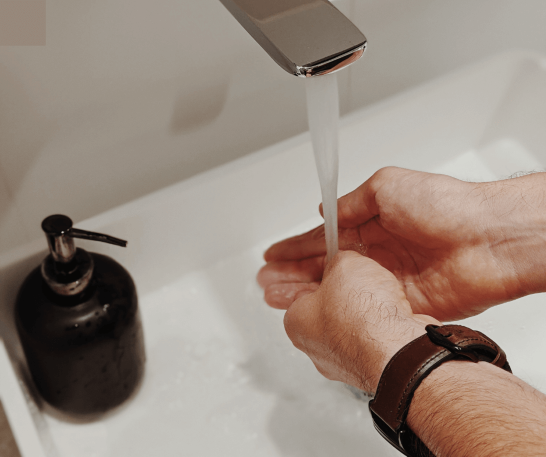
- Wash hands in warm, soapy water before and throughout dinner preparations, especially after handling raw meat.
- Never wash raw chicken as this can spread the bacteria around the kitchen.
- Ensure the meat is thoroughly cooked.
For more tips on safe food handling, visit the Food Standards Scotland website (www.foodstandards.gov.scot). There is also a handy festive food safety checklist, covering topics such as defrosting and cooking poultry thoroughly, avoiding cross-contamination, and how best to refrigerate and reheat leftovers.
In most circumstances, if you or a family member experiences food poisoning, symptoms usually resolve after a few days. You must stay hydrated, eat small amounts of bland foods, and stay off work or school until you feel better and for at least two days after the last episode of vomiting or diarrhoea. In some circumstances, you may need to speak to a GP for advice, please refer to NHS Inform website for further guidance here: Food poisoning | NHS inform
The winter months can be challenging, but by taking simple precautions and planning ahead, we can help keep ourselves and our loved ones healthy and safe.