

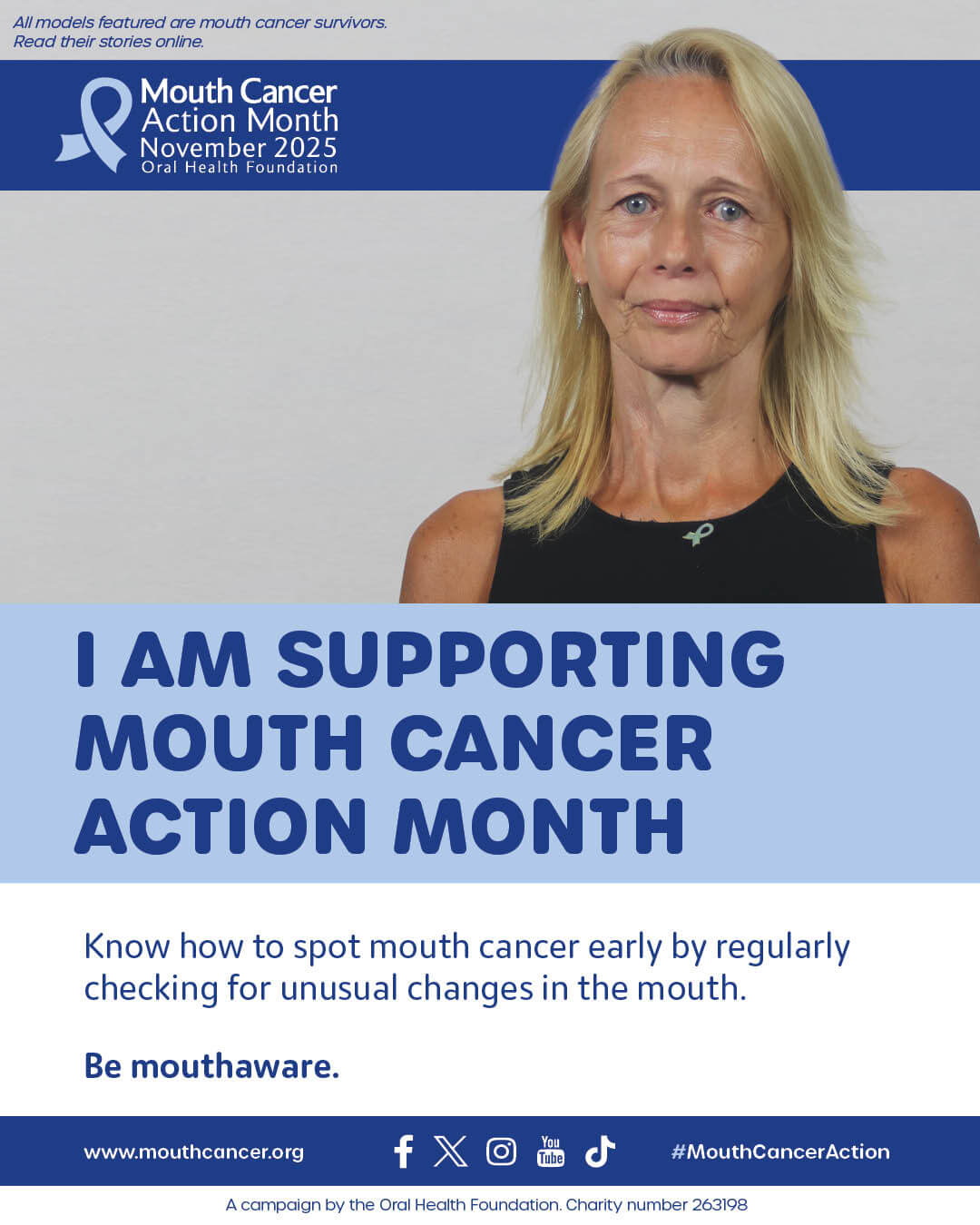
This November, in support of Mouth Cancer Action Month, NHS Shetland’s Public Dental Service is once again raising awareness of Mouth Cancer as cases in Scotland continue to rise.
To support this year’s campaign, the Public Dental Service is also offering a free mouth cancer screening drop-in clinic for anyone with concerns, whether they are registered with a dentist or not.
These will be held at the Grantfield Vaccination Centre in Lerwick on Monday 10 November between 9.30am and 12.30pm in the morning and again between 2pm and 4pm in the afternoon.
The latest available figures show that approximately 10,825 people in the UK were diagnosed with mouth cancer in the last year. This equates to one new case every hour.
Trends in mouth cancer are a cause for concern as in the last ten years, cases have risen by 38% in the UK. Latest research shows that recent deaths from mouth cancer in the UK have increased by 5% compared to last year, and deaths from mouth cancer have increased by 52% compared with ten years’ ago.
Unfortunately, mouth cancer is often not detected until it is at Stage 4, where it is at its most advanced. This makes treatment more complex and reduces the chances of survival. For this reason, campaigners are encouraging everyone to carry out regular self-checks at home, for any of the signs or symptoms of mouth cancer. These include non-healing mouth ulcers, red or white patches in the mouth or throat, any unexplained pain or swelling, difficulty eating or speaking or a persistent cough.
Angela Hopwood, Oral Health Improvement Nurse said: “Although often linked to lifestyle factors like smoking which accounts for 2 out of every 3 cases, excess alcohol, poor diets and HPV (human papilloma virus) also contribute to some cases. We are asking people in Shetland to be #MouthAware. Using this hashtag on social media will also provide further information about preventing mouth cancer.
“Importantly, carrying out a simple check of our mouths just once a month will help us to spot any changes and can greatly reduce the risks of late diagnosis. All you need is a bathroom mirror and a decent light source.
“Risk factors for mouth cancer include nicotine use in the form of smoking or chewing tobacco. Excessive drinking of alcohol when combined with nicotine can also increase the risk by up to 30 times. The full reason for this is not fully understood; however, it appears that alcohol increases the rate at which nicotine is absorbed into the oral soft tissues.
“Dental professionals are also becoming increasingly concerned about the recent popularity of oral nicotine pouches amongst our younger population, which can be concealed in the mouth against the gums for extended periods. Compared to traditional smoking, this increases the direct exposure time to oral tissues and therefore, the risk of harm. We strongly advise against their use, and would also encourage parents and guardians to have open discussions with teenagers about the risks of nicotine vapes and pouches. Vapes are only ever advisable when used to support stopping smoking. Current advice is: if you don’t smoke, don’t vape.”
Diets low in fresh fruit and vegetables are also a concern as is the HPV (Human Papilloma Virus), which is transmitted through oral sex. Excessive sunlight is also a factor in cancers of the lip, especially for those who spend time outdoors like builders or crofters.
“To reduce your risk of mouth cancer, we encourage everyone to consider, that if you drink alcohol to do so within recommended limits, if you smoke, stop (contact Quit Your Way at Healthy Shetland who can also support with stopping vaping on 01595 807494), eat a diet rich in fruit and vegetables, drink plenty of water, practice safer sex and wear lip salve with an SPF of at least 20 when spending extended periods outdoors.
“Traditionally mouth cancer has been most common in men over the age of 55; however, we are now seeing cases in much younger adults of both sexes, so it is vital that everyone is aware of any unusual changes within their mouths. Get to know your mouth, find out what is “normal” for you, and for anything unusual or of concern, please see your GP or a dentist urgently.
“What you should be looking for are any non-healing mouth ulcers that last longer than two to three weeks, red or white patches in the mouth or throat, any lumps, bumps or swellings or unexplained pain or discomfort or difficulty eating, speaking or swallowing. Often these may be nothing to worry about, but it is always best to get them examined. No doctor or dentist is going to think that you are wasting their time so ‘If in doubt, get checked out’.”
Ahead of the free mouth cancer drop clinic, please note that these are not dental check-ups but purely to check for the signs and symptoms of mouth cancer concentrating on the soft tissues within the mouth and throat. We would encourage anyone concerned about any of the signs mentioned above to come along and get checked out. We would especially welcome those who meet the lifestyle criteria mentioned, as well as people who work outdoors for prolonged periods like crofters, fishermen, fish farm workers, builders and farmers.
As this is a drop-in clinic, please be aware that you may need to wait to be seen at busy times of the day.
To find out more information about mouth cancer and Mouth Cancer Action Month, please visit
www.mouthcancer.org or www.dentalhealth.org/mouthcancer
To watch a short video on how to carry out a self-check, please scan the QR code below or visit:
Self-Examination | Mouth Cancer Foundation -www.mouthcancerfoundation.org/self-examination/

ABOUT MOUTH CANCER ACTION MONTH
Every November, the Oral Health Foundation organises and runs Mouth Cancer Action Month, under the message ‘If in doubt, get checked out’. Our campaign has become an influential springboard in educating the public about mouth cancer, highlighting the risks, symptoms and causes of the disease.
The campaign is about taking action and raising awareness, particularly among those groups who are most at risk. We want people to look out for ulcers that do not heal within three weeks, are red and white patches in the mouth, and have unusual lumps or swellings while encouraging them to carry out regular self-checks for signs of mouth cancer.
By working closely with dental and health professionals and supporting them in their activities with patients and local communities, we continue to increase mouth cancer awareness and save lives through early detection.
Mouth Cancer Action Month is also supported by the Mouth Cancer Foundation.
For further information, please visit www.mouthcancer.org and www.dentalhealth.org/mouthcancer
